Wondering how much Appleton’s neighborhoods really change from one area to the next? If you are starting your home search here, it helps to know that Appleton is not one uniform market. From older blocks near College Avenue to riverfront housing and newer subdivisions, each part of the city offers a different mix of home styles, lot sizes, and daily lifestyle. Let’s dive in.
Appleton Has Several Distinct Housing Patterns
Appleton’s housing stock is still led by detached single-family homes. The city’s housing assessment says about 69% of the housing stock is single-family detached, while roughly 6% is missing-middle housing such as duplexes, townhomes, and fourplexes.
That matters when you start comparing options. In simple terms, you will find a city that is still largely built around detached homes, with a steady but not overwhelming pace of new construction. Appleton has averaged more than 50 single-family homes per year in recent years and about 120 new homes per year since 2015.
A helpful way to think about the city is to use College Avenue as a basic north-south divider. From there, your search usually becomes a choice between historic urban blocks, riverfront housing, established subdivision neighborhoods, and newer edge-of-city residential areas.
Historic Core Near College Avenue
If you love older architecture and a more traditional street grid, Appleton’s historic core may stand out right away. This area centers on College Avenue and nearby older neighborhoods such as City Park, Prospect Avenue, and the Fox River lock and paper-company districts.
The city’s historic preservation guide shows how varied these homes and buildings can be. In and around these designated districts, documented styles include Queen Anne, Arts and Crafts, American Craftsman, American Foursquare, Bungalow, Prairie School, Tudor Revival, Colonial Revival, and turn-of-the-century vernacular homes.
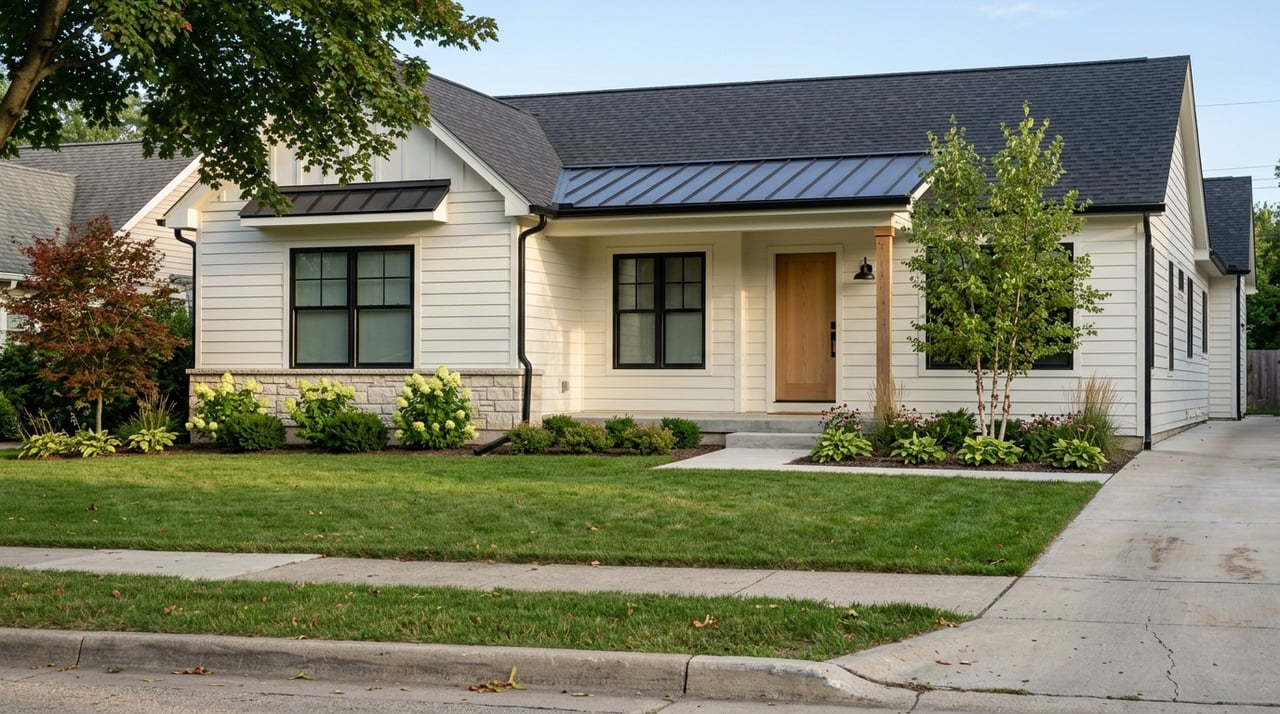
This part of Appleton also tends to follow a more compact urban pattern. The city describes these neighborhoods as having small to medium homes on narrower lots, gridded streets, sidewalks, and a mix of single-unit homes, duplexes, triplexes, quads, townhomes, and small apartments.
For buyers, that usually means charm and location often come with less yard space than you may find in newer subdivisions. A representative inner-city parcel at 313 E McArthur St measures 63 feet of frontage by 104 feet of depth, which gives a useful snapshot of the compact lot pattern common in older parts of the city.
What Buyers Often Like Here
- Older architectural details
- Sidewalks and gridded streets
- Easier access to downtown destinations
- A mix of housing types beyond detached homes
What To Keep In Mind
- Lots are often narrower and more compact
- Home styles can vary significantly from block to block
- Older housing stock may offer a different layout than newer homes
Downtown-Adjacent Living and Walkability
For some buyers, the appeal of central Appleton is less about one home style and more about how you live day to day. Downtown Appleton is described as a one-mile walkable district, and the area includes destinations such as Houdini Plaza, the Fox Cities Performing Arts Center, Lawrence University, parking ramps, and riverfront living options.
Appleton Downtown Inc. also notes a free trolley that loops downtown and the riverfront every 30 minutes. The same materials describe the Fox Trot Trail as a 2.2-mile route with 16 destinations, adding to the area’s pedestrian-friendly feel.
If your priority is being close to events, dining, public spaces, and the riverfront, this part of Appleton may be worth a closer look. Housing choices here can range from older nearby homes to riverfront and mixed-use living options.
Riverfront Housing Along the Fox River
The Fox River is one of Appleton’s defining features, and the riverfront offers a different kind of home search. Here, buyers are often comparing housing type and setting more than yard size.
According to the Fox River Corridor Plan, future redevelopment is intended to blend open space, residential uses, and commercial uses. The plan also prioritizes public access, bicycle and pedestrian trails, water trails, boat-launching facilities, and transit-supportive development.
That creates a different feel from a traditional detached-home neighborhood. Current downtown and riverfront housing and live-work options listed by Appleton Downtown Inc. include RiverHeath Community, Riverwalk Place, and Riverview Gardens.
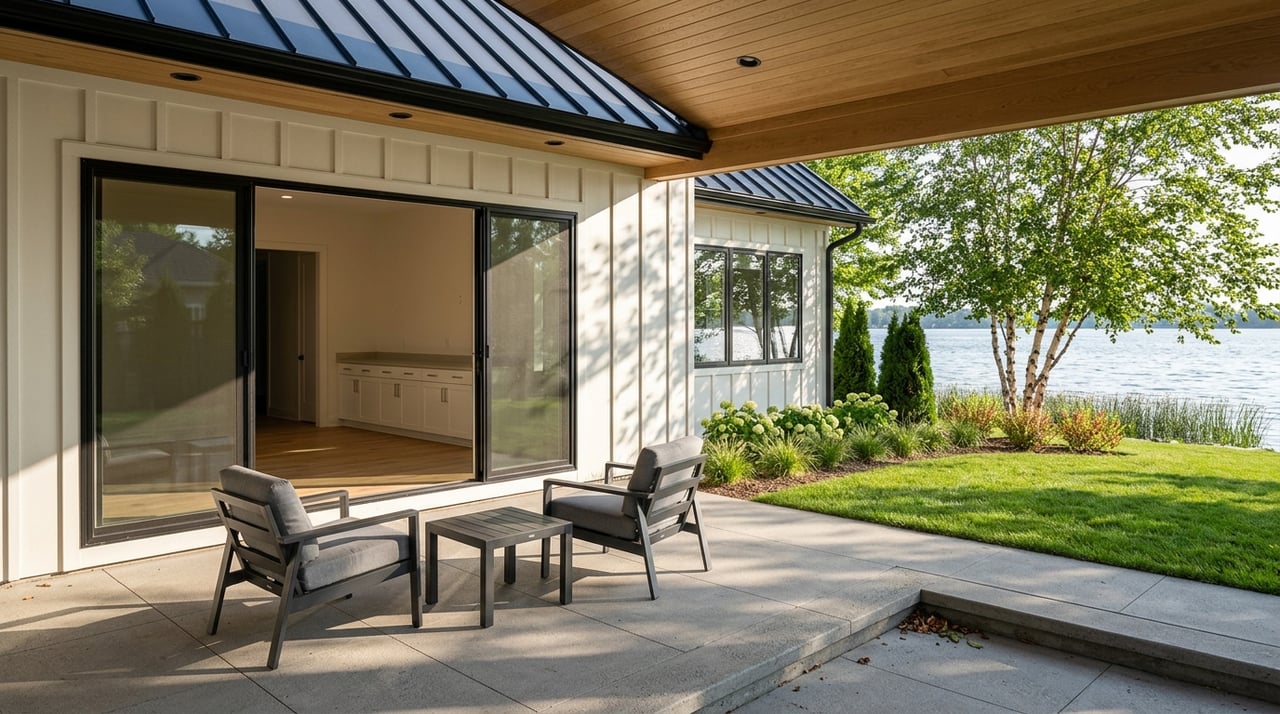
In practical terms, riverfront buyers are often choosing among condos, apartments, senior housing, and mixed-use redevelopment options rather than large-lot detached homes. If your goal is to be close to trails, views, and the activity of the corridor, this area may fit better than a conventional subdivision.
Riverfront Buyers May Prioritize
- Fox River views
- Trail and public access
- Mixed-use or condo-style living
- Proximity to downtown amenities
North Side Neighborhoods and Established Subdivisions
If you picture Appleton as a city of detached homes on comfortable lots, the north side and other established subdivision areas may be closest to that image. The city’s comprehensive plan says suburban neighborhoods are mostly the product of subdivision growth over the last several decades, with detached homes on medium-sized lots, traditional building styles, and a mixture of housing options.
This part of the market often appeals to buyers who want a more conventional neighborhood form. You are more likely to see established subdivision patterns, midcentury and later housing, and a layout that feels different from the tighter lot structure near the historic core.
A representative north-side parcel at 1206 Woodland Ct measures 60 by 121 feet and was built in 1967, which gives a useful example of the lot scale found in some established areas. That is a different experience from the narrower lots seen in older central neighborhoods.
The north side also connects to local amenities and transit. Outagamie County places Plamann Park at 1375 E Broadway Dr in Appleton, with amenities including the Children’s Farm, baseball diamonds, disc golf, and a playground. Valley Transit also connects the north side through Route 5 North Oneida, Route 12 Fox Valley Tech, and the North Transfer Point at 1st Ave and Union St.
South Side Options and Corridor Access
The south side offers a different mix again. Rather than fitting into one simple category, it blends neighborhood housing, corridor access, river adjacency, and redevelopment potential near the downtown edge.
The city’s South Oneida Street subarea plan says this area functions as both a commercial corridor and a gateway to downtown. It is anchored by the Ascension NE Wisconsin St. Elizabeth Hospital complex and includes opportunities for mixed-use redevelopment, new housing, and pedestrian-oriented design.
The same plan notes that existing housing includes traditional styles and front porches, multifamily housing near Riverview Gardens, and underused lots that could support new development. For buyers, that can mean more variety in housing type and setting, depending on how close you want to be to downtown, the river, and major corridors.
Transit is also part of the picture on the south side and south-central corridors. Valley Transit serves the area through routes including 2 Prospect, 4 Richmond, 6 Meade, 8 Telulah, 11 East College/Buchanan, and 15 West College.
Newer Neighborhood Growth in Appleton
If you are hoping for newer construction, Appleton does continue to add homes, but the pace is measured rather than overwhelming. Since 2015, the city has averaged about 120 new homes per year, which means buyers often compare newer inventory against a much larger supply of older detached homes.
The city’s plan says new neighborhood development should emphasize connectivity, conservation of natural land, and active frontage. It also notes that a future zoning update could reduce minimum lot width from 70 feet to 50 feet, which may shape how future neighborhoods are laid out.
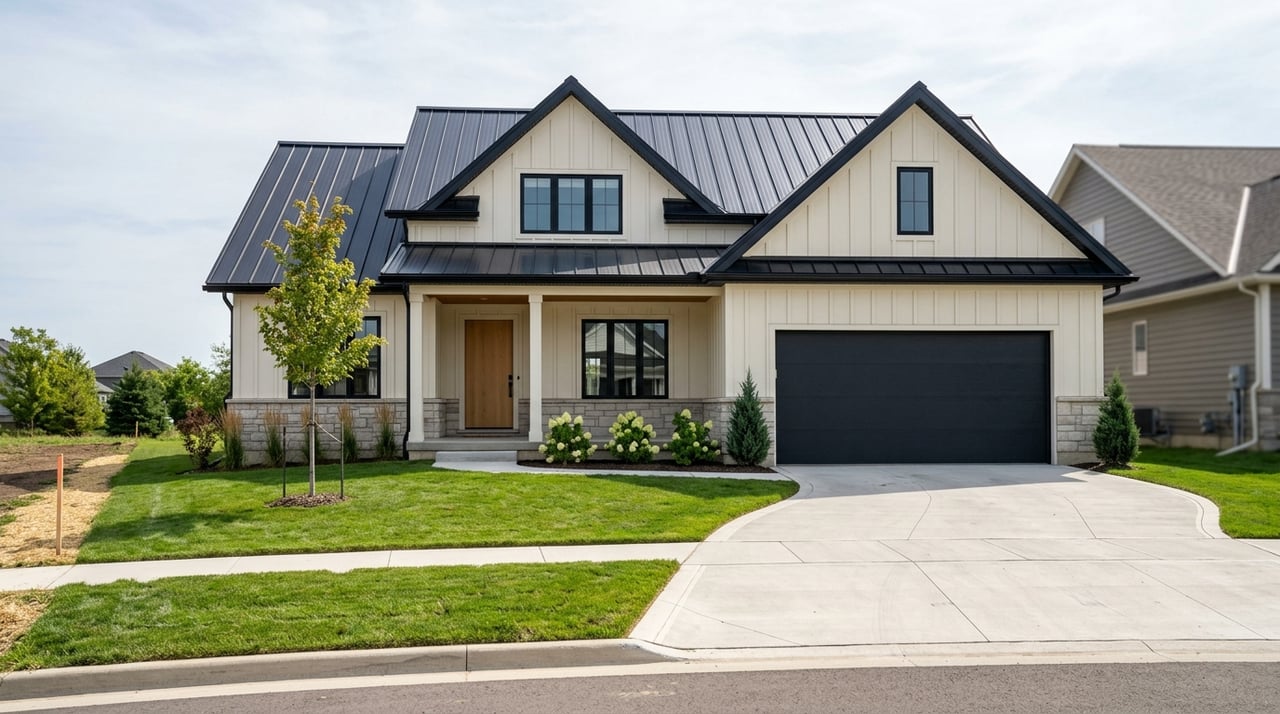
For you as a buyer, newer Appleton neighborhoods can offer a more contemporary feel while still fitting into the city’s broader detached-home market. The key is knowing that new construction is only one piece of the local housing mix.
How To Compare Appleton Neighborhood Styles
When you narrow your search, it helps to focus on the lifestyle and property type you want most. In Appleton, the best fit often comes down to whether you value architecture, yard space, walkability, river access, or newer subdivision design.
Area type | What you’ll often find | Best for buyers who want |
|---|---|---|
Historic core | Older architecture, smaller lots, mixed housing types | Character, central location, walkability |
Downtown-adjacent | Access to amenities, trails, and central destinations | A more active daily lifestyle |
Riverfront corridor | Condos, apartments, mixed-use and river-oriented housing | Views, trails, and low-yard living |
North side and established subdivisions | Detached homes on medium lots, traditional neighborhood form | More conventional subdivision living |
South side | Corridor access, mixed housing, redevelopment areas | Variety and connection to downtown edge |
What This Means For Your Home Search
Appleton gives you more variety than many buyers expect at first glance. You can search older neighborhoods near College Avenue for architectural character, look at the Fox River corridor for condo or mixed-use living, or focus on north-side and newer subdivision areas for detached homes on medium-sized lots.
The best next step is to compare neighborhoods based on how you want to live, not just by price or square footage. When you understand the city’s layout and housing patterns, it becomes much easier to spot the right fit and move with confidence.
If you want help comparing Appleton neighborhoods, home styles, condos, new construction, or relocation options across the Fox Cities, connect with CENTURY 21® Ace Realty. Their team can help you narrow your search and make sense of what fits your goals best.
FAQs
What kinds of homes are most common in Appleton, Wisconsin?
- Appleton is still dominated by detached single-family homes, which make up about 69% of the housing stock, according to the city’s housing assessment.
What part of Appleton has the most historic homes?
- The historic core near College Avenue, including areas such as City Park, Prospect Avenue, and nearby designated districts, has many of the city’s older architectural styles.
What home styles can you find in older Appleton neighborhoods?
- Older Appleton neighborhoods include styles such as Queen Anne, Arts and Crafts, American Craftsman, American Foursquare, Bungalow, Prairie School, Tudor Revival, and Colonial Revival.
Are there condos or riverfront housing options in Appleton?
- Yes. Riverfront and downtown-adjacent housing options include condos, apartments, senior housing, and mixed-use redevelopment in the Fox River corridor.
What is the difference between north-side and south-side Appleton neighborhoods?
- North-side areas often reflect more conventional detached-home subdivision patterns, while south-side areas blend neighborhood housing, corridor access, river adjacency, and redevelopment near the downtown edge.
Is new construction common in Appleton, Wisconsin?
- Appleton adds new homes each year, averaging about 120 new homes annually since 2015, but much of the city’s housing market is still older and largely detached.